Bedroom Cameras and Broken Gatekeepers: How Amateur Creators Took Over the Adult Industry
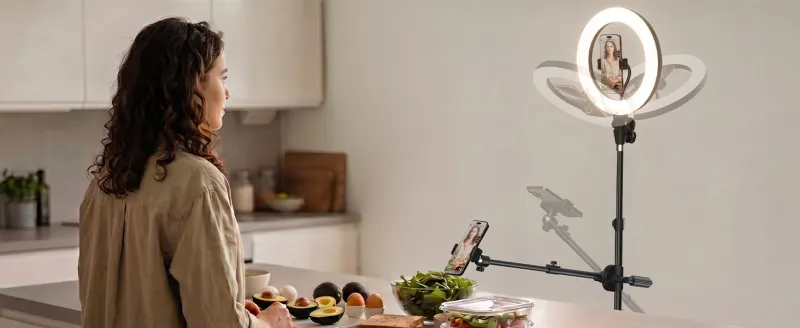
Photo: person filming content with smartphone on tripod ring light at home, via m.media-amazon.com
Twenty years ago, the adult industry ran like a mini-Hollywood. There were studios, contracts, distribution deals, and a small army of producers deciding what America got to watch. Today? The biggest name in your search history is probably a twenty-something filming in her apartment with a phone, a tripod, and a link in bio.
The amateur revolution isn't coming. It already won.
The Gloss Fell Off
For decades, the industry sold polish: professional lighting, scripted scenes, production values that mimicked network TV. It worked because there was no alternative. Distribution was expensive, cameras were expensive, and getting your content in front of anyone required a gatekeeper's blessing.
Then everything got cheap. A 4K camera lives in everyone's pocket. Payment processing went through platforms like OnlyFans and Fansly. Suddenly, the middleman wasn't just unnecessary—he was a liability.
And audiences noticed something else: the polished stuff felt fake in a way they'd stopped tolerating. When a viewer can message a creator directly and get a reply, the studio product starts feeling like a mall Santa. Technically the real thing, spiritually not.
The Parasocial Payoff
Talk to anyone who's subscribed to a creator and the same word keeps coming up: relationship. Not romance, exactly—more like the parasocial connection fans have with streamers, podcasters, and YouTubers. You know their dog's name. You know they had a rough Tuesday. You're not just watching a body; you're following a person.
"I had fans send me a birthday cake," one mid-tier creator told us. "A studio performer could never. The studio doesn't know your name. The studio doesn't want to know your name."
That intimacy is the product now. The content is the marketing; the connection is the subscription. It's the same economics driving Twitch donations and Patreon memberships, just wearing fewer clothes.
The Economics Are Brutal—And Democratic
Here's what the studios can't compete with: creators keep 80% on most platforms. A performer pulling in a modest $5,000 a month directly is out-earning what many contract performers made under studio deals, minus the travel, the agent cuts, and the loss of control over their own image.
The catch? Every creator is now their own marketing department, customer service desk, and content pipeline. The burnout is real, and the top 1% capture an outsized share of the money. But the ceiling is higher and the door is open in a way it never was when casting couches and studio contracts decided who got seen.
Studios have responded the only way they can: hiring creators as talent, buying up platforms, and increasingly faking the amateur aesthetic. If you've noticed a suspicious amount of "found footage" with perfect audio—yeah. That's a sound guy hiding behind the couch.
What It Says About Us
The shift isn't really about video quality. Nobody's choosing a shaky phone clip because 4K doesn't exist anymore. They're choosing it because authenticity became the currency, and the gatekeepers never held any.
America didn't just change how it watches. It changed who it trusts. And right now, that's a person on the other end of a DM, not a logo on a DVD.