Spending on Getting Off: Inside America's Explosive Sexual Wellness Economy
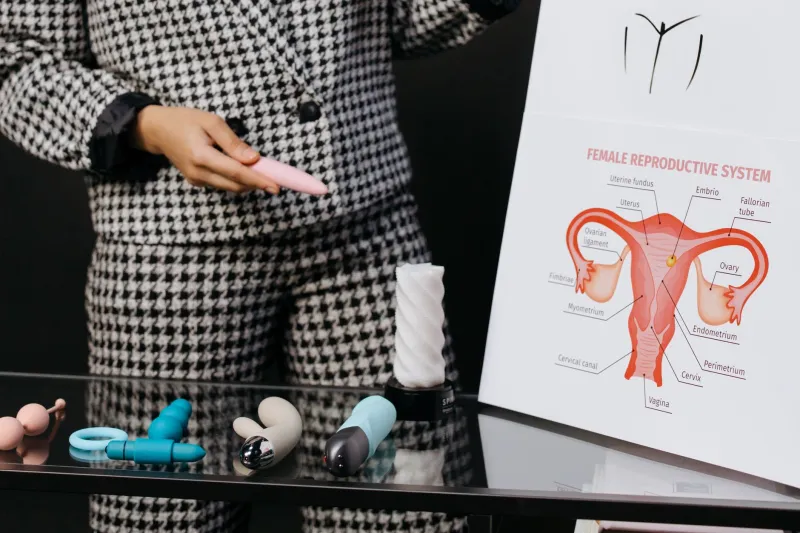
Not long ago, buying a sex toy meant a furtive trip to a sketchy shop on the wrong side of town, a plain brown bag, and the hope that nobody you knew was watching. Today, that same purchase might show up in a curated unboxing video on TikTok, recommended by a wellness influencer right between a matcha latte review and a guided breathwork session. The cultural shift is so complete it almost feels like whiplash—except the numbers don't lie. Americans are investing in their sexual wellness like never before, and the industry is evolving fast to meet them.
The global sexual wellness market is projected to surpass $40 billion by 2030, with the United States accounting for a substantial slice of that pie. What started as a niche corner of the consumer market has quietly become one of the most dynamic sectors in health and self-care retail. And the reasons why are a lot more interesting than the products themselves.
From Dirty Secret to Daily Ritual
The single biggest driver of this spending surge isn't technology or disposable income—it's the language. Somewhere around the mid-2010s, brands and marketers made a calculated pivot: out went the shame-adjacent nudge-nudge marketing, in came the clean, confident vocabulary of wellness. Sex toys became "pleasure devices." Lube became "intimate moisturizer." The conversation moved from taboo to self-care, and the checkout carts filled up accordingly.
Companies like Dame Products, Maude, and Lelo didn't just redesign their packaging—they redesigned the entire emotional experience of shopping for intimacy products. Minimalist aesthetics, clinical-sounding ingredient lists, and wellness-forward messaging helped these brands land on the shelves of retailers like Target and Nordstrom without anyone batting an eye. When your vibrator is sitting next to your jade roller and your adaptogens, it stops feeling transgressive and starts feeling like Tuesday.
This rebrand worked because it gave consumers permission. Permission to spend, permission to explore, and crucially, permission to talk about it. Social media did the rest.
Who's Actually Buying What
Here's where the data gets genuinely surprising. Women between 25 and 45 are the dominant purchasing demographic in the sexual wellness space—but the fastest-growing segment? Men over 35, particularly in categories like delay sprays, performance supplements, and couples' devices. The old assumption that this market was exclusively female is getting dismantled one purchase at a time.
Geographically, coastal cities like New York, Los Angeles, and Seattle still index highest for premium purchases—think $200+ vibrators and subscription-based intimacy apps. But mid-sized Midwestern cities like Columbus, Denver, and Nashville have seen some of the steepest growth rates in the last three years. The democratization of e-commerce means the geography of shame no longer applies. You can be in rural Georgia and still have a Lelo Sona delivered discreetly to your door in two days.
Age-wise, Gen Z and Millennials are driving volume, but Boomers are quietly spending more per transaction. Empty-nesters rediscovering intimacy after decades of child-rearing are one of the industry's least-talked-about but most valuable customer segments. Turns out, having more time and more disposable income is a potent combination.
The Telehealth Bedroom Revolution
Beyond physical products, one of the most striking shifts is the explosion of sexual health telehealth services. Platforms like Hims, Hers, and Ro have normalized the idea of consulting a medical professional about your sex life from your couch, in your pajamas, without a waiting room or an awkward face-to-face. Erectile dysfunction treatment, low libido consultations, and pelvic floor therapy have all seen massive upticks in telehealth uptake since 2020.
The pandemic gets partial credit here. When every aspect of healthcare moved online out of necessity, it turned out that people were a lot more willing to discuss intimate health concerns when they didn't have to look a doctor in the eye. The friction dropped, and the honesty went up. Many providers report that patients disclose more, ask more questions, and engage more actively with their treatment when the consultation happens remotely.
Sex therapy has seen a parallel boom. Online therapists specializing in sexual dysfunction, desire discrepancy, and intimacy issues are booked solid in most major markets. Sliding-scale platforms have also made this kind of support accessible beyond affluent demographics for the first time, which is genuinely significant.
What All This Spending Actually Means
Here's the real story underneath the revenue figures: Americans are increasingly treating sexual satisfaction as a legitimate component of overall health and quality of life—not a luxury, not a guilty pleasure, but a baseline need worth investing in. That's a meaningful cultural evolution.
For relationships, the effects are layered. Couples who shop for intimacy products together report higher communication and satisfaction scores in multiple studies. The act of browsing, choosing, and discussing preferences creates a kind of low-stakes conversation about desire that many couples struggle to have otherwise. The product is almost secondary to the dialogue it opens.
Solo spending tells a different story—one of self-sufficiency and self-knowledge. People who invest in their own pleasure tend to have a clearer sense of what they want and a greater willingness to communicate that to partners. The orgasm gap between men and women, while still real, is narrowing in demographics that skew toward higher sexual wellness engagement. Correlation isn't causation, but it's not nothing either.
The shame-to-wellness pipeline in marketing didn't just change how products are sold. It changed how people relate to their own desire. And that, more than any particular product or platform, might be the most consequential thing the sexual wellness industry has ever done.